
Tonsils themselves don’t directly affect tooth integrity, but problems involving the tonsils can indirectly influence 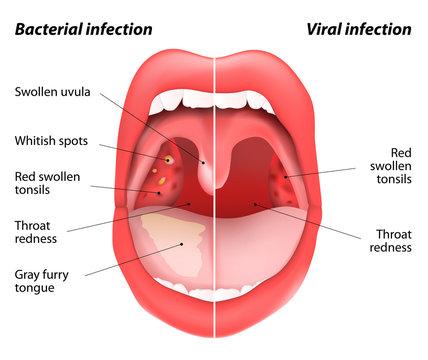 dental health.
Here’s how:
What tonsils don’t do
- Tonsils don’t weaken enamel, cause cavities, or change tooth structure on their own.
- Having large tonsils or even having them removed doesn’t directly damage teeth.
Possible indirect effects
- Chronic tonsillitis or throat infections
- Ongoing infections can increase harmful bacteria in the mouth.
- This may raise the risk of bad breath, gum irritation, or cavities if oral hygiene is affected.
- Mouth breathing
- Enlarged tonsils (common in kids/teens) can make nasal breathing harder.
- Mouth breathing dries saliva, and saliva protects teeth.
- Dry mouth → higher risk of cavities and enamel wear.
- Pain or discomfort
- Sore throats can make brushing uncomfortable.
- Skipping or rushing brushing during illness can affect tooth health over time.
- Tonsil stones (tonsilloliths)
- These don’t damage teeth, but they can cause bad breath that’s sometimes mistaken for dental problems.
- Conditions involving tonsils can indirectly impact oral health, mostly through mouth breathing, dryness, or hygiene changes.
If you’re noticing tooth problems along with tonsil issues, it’s a good idea to mention it to your dentist.