
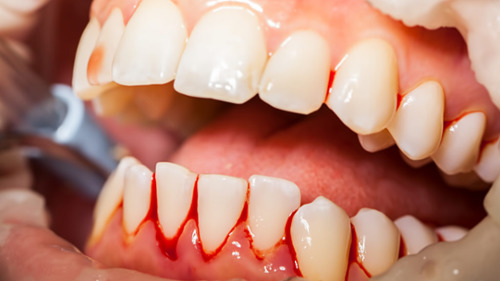
Noticing blood when you brush or floss can be worrying, but bleeding gums are common—and they're often a sign that your gums need a little more attention.
What causes bleeding gums?
The most common cause is plaque buildup along the gumline. Plaque contains bacteria that can irritate your gums, causing them to become red, swollen and more likely to bleed. This early stage of gum disease is called gingivitis.
Other possible causes include:
- Brushing too hard or using a toothbrush with very firm bristles
- Not flossing regularly
- Changes in your oral hygiene routine
- Smoking or tobacco use
- Ill-fitting dental appliances
- Certain medications or medical conditions
- More advanced gum disease
Should I stop brushing if my gums bleed?
Usually, no. Avoiding brushing or flossing because your gums bleed can allow more plaque to build up and make the problem worse.
Instead, brush gently twice a day with a soft-bristled toothbrush and clean carefully between your teeth every day. If you're unsure about your brushing or flossing technique, your dental team can show you the best approach.
When should I see a dentist?
If your gums regularly bleed when brushing or flossing, it's worth having them checked. Your dentist or dental hygienist can identify the cause and recommend appropriate treatment.
You should arrange an appointment sooner if you also notice swollen or painful gums, persistent bad breath, receding gums, loose teeth, or pus around the gums.
Healthy gums shouldn't regularly bleed
Bleeding gums aren't something you should simply ignore. In many cases, improving your oral hygiene and getting professional dental care can help restore your gums to good health.
If you're concerned about bleeding gums, book an appointment with our dental team at Urban Dental Studio so we can assess your gums and help you get your oral health back on track.