
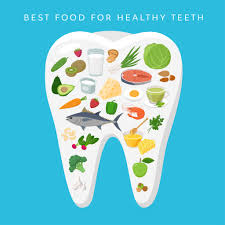
 When people think about oral health, brushing and flossing usually come to mind first. While these habits are essential, what you eat and drink plays an equally important role in the health of your teeth and gums. Your diet can either protect your smile or contribute to problems like tooth decay, enamel erosion, and gum disease.
The Mouth–Diet Connection
Your mouth is the entry point to your digestive system, and everything you consume interacts with your teeth and gums. Foods and beverages can influence:
-
The strength of your tooth enamel
-
The balance of bacteria in your mouth
-
The production of saliva
-
Your risk for cavities and gum disease
A balanced diet supports strong teeth and healthy gums, while poor dietary habits can quickly lead to oral health issues.
Sugars and Tooth Decay
One of the biggest culprits behind tooth decay is sugar. When you consume sugary foods or drinks, bacteria in your mouth feed on these sugars and produce acids. These acids attack the enamel—the protective outer layer of your teeth—leading to cavities over time.
Common high-sugar items include:
-
Soft drinks and energy drinks
-
Lollies and sweets
-
Cakes, biscuits, and pastries
-
Sweetened cereals and snacks
Frequent snacking on sugary foods can be especially harmful because it keeps your teeth under constant acid attack.
Acidic Foods and Enamel Erosion
Even foods that seem healthy can harm your teeth if they are highly acidic. Acid wears down enamel, making teeth more sensitive and prone to decay.
Examples of acidic foods and drinks:
-
Citrus fruits (like oranges and lemons)
-
Fruit juices
-
Vinegar-based foods
-
Carbonated beverages
You don’t have to avoid these entirely, but it’s best to consume them in moderation and rinse your mouth with water afterward.
The Protective Power of Saliva
Saliva is your mouth’s natural defence system. It helps neutralise acids, wash away food particles, and repair early enamel damage. Certain foods can stimulate saliva production, including:
-
Crunchy fruits and vegetables (like apples and carrots)
-
Sugar-free chewing gum
-
High-fibre foods
Staying hydrated is also key, as dehydration reduces saliva flow and increases the risk of decay.
Tooth-Friendly Nutrients
A nutrient-rich diet strengthens teeth and supports gum health. Important nutrients include:
Calcium
Found in dairy products, leafy greens, and almonds, calcium helps build and maintain strong teeth.
Vitamin D
Supports calcium absorption and is essential for overall oral health.
Phosphorus
Works with calcium to protect and rebuild enamel. Found in foods like fish, eggs, and meat.
Vitamin C
Important for healthy gums and preventing inflammation.
Smart Eating Habits for Better Oral Health
It’s not just what you eat—it’s how you eat that matters.
-
Limit frequent snacking.
-
Choose water over sugary drinks.
-
Eat balanced meals rather than grazing throughout the day.
-
Finish meals with tooth-friendly foods like cheese or vegetables.
-
Wait about 30 minutes before brushing after acidic foods.
Your diet has a direct and lasting impact on your oral health. By making mindful food choices and maintaining good eating habits, you can significantly reduce your risk of dental problems and keep your smile healthy for years to come.
Remember, a healthy mouth starts with both proper oral hygiene and a balanced diet. If you have questions about how your eating habits may be affecting your teeth, talk to one of our clinicians about personalised guidance.